Tips On How To Succeed In Real Estate Investments
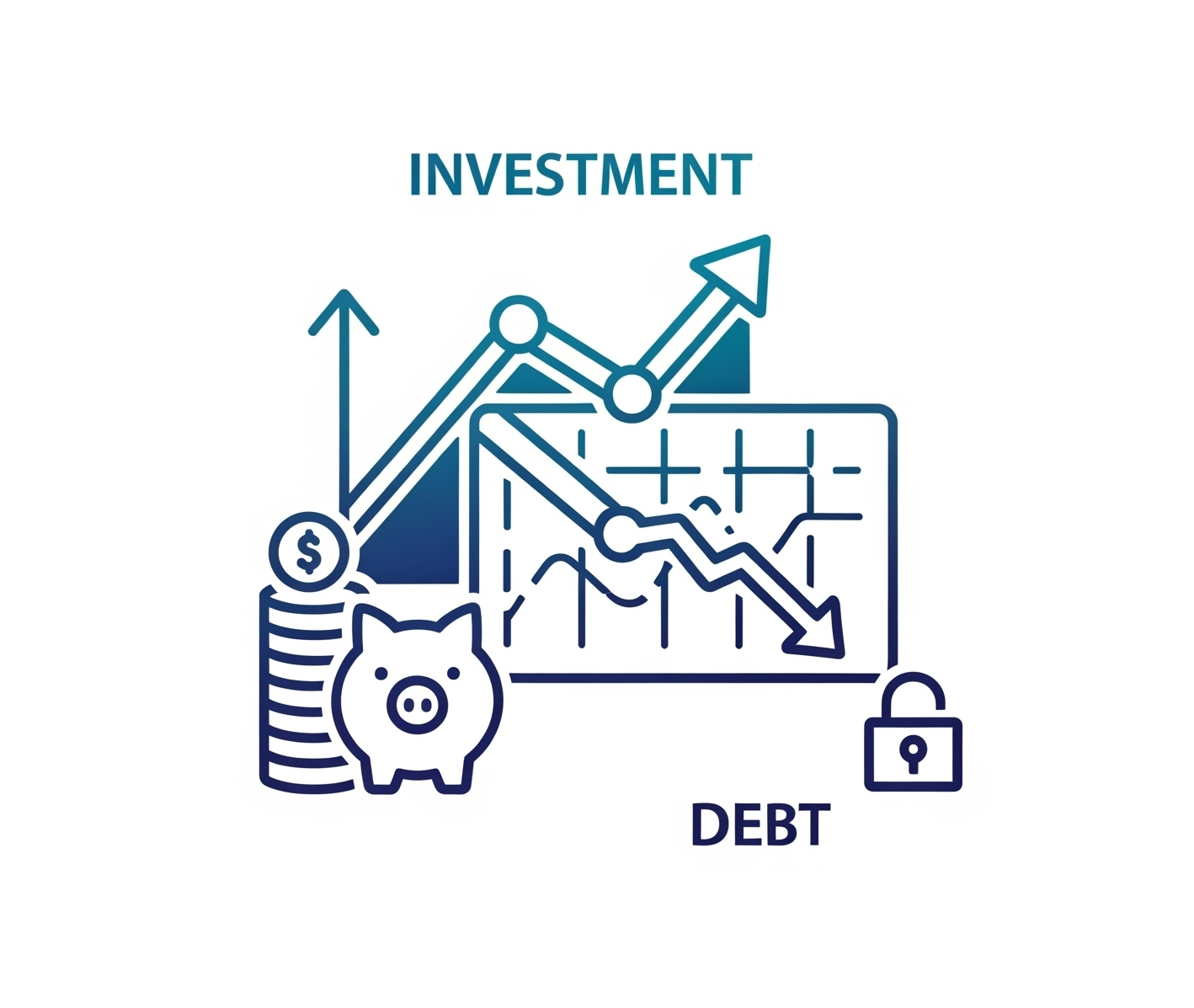
Real estate investing can be one of the most rewarding paths to building long-term wealth, but it comes with its own set of challenges. Whether you’re just getting started or looking to improve your strategy, here are some practical tips to help you succeed.
1. Don’t Wait for the Crash
One of the most common mistakes aspiring investors make is waiting for the “perfect” time to buy. Trying to time the market is nearly impossible, and by waiting for a crash, you may miss years of cash flow and appreciation.
The key is not timing the market — it’s time in the market. Focus on finding deals that cash flow positively based on today’s numbers, and let the long-term growth work in your favor.
2. Ensure Cash Flow from Day One
Before acquiring any property, make sure the numbers work. Your projected income should comfortably exceed your operating expenses and debt service. A property that doesn’t cash flow is a liability, not an investment.
Run the numbers thoroughly — not just NOI and cap rate, but cash-on-cash return, IRR, and debt service coverage ratio. Use an analysis tool like Solsten to stress-test your assumptions before you commit.
3. Use Analysis Tools
The days of running investment analysis on the back of a napkin are over. Modern tools allow you to model multiple scenarios, project cash flows over your hold period, and understand exactly what your returns will look like under different conditions.
Modern platforms like Solsten let you model multiple scenarios, project cash flows over your hold period, and stress-test assumptions — all for free. The cost of a bad deal far outweighs the cost of proper analysis.
4. Study the Macroeconomics and Microeconomics
Great real estate investors understand the forces driving property values beyond the property itself:
- Macroeconomics: Interest rates, inflation, employment trends, GDP growth, and government policy all affect real estate values and financing costs
- Microeconomics: Local job market, population growth, new construction pipeline, school districts, crime rates, and infrastructure projects determine whether your specific market will appreciate or stagnate
Do your research at both the national and local level before committing capital.
5. Property Management Matters
How a property is managed can make or break your investment. Whether you self-manage or hire a property manager, make sure the management strategy aligns with your investment goals.
Good management means:
- Minimizing vacancy by keeping quality tenants
- Maintaining the property to preserve and increase value
- Handling issues promptly to avoid costly deferred maintenance
- Keeping accurate financial records for tax purposes
Don’t underestimate the impact of management on your bottom line.
6. Find a Mentor and Build Your Network
Real estate investing can feel overwhelming, especially at the beginning. Finding a mentor who has walked the path you’re on can save you from costly mistakes and accelerate your learning.
Beyond mentorship, build a strong network:
- Other investors for deal flow and partnerships
- Brokers who understand your target market
- Lenders who can move quickly on financing
- Contractors for renovations and maintenance
- Attorneys and CPAs who specialize in real estate
The relationships you build will be just as valuable as the properties you buy.
Real estate investing is a marathon, not a sprint. Stay disciplined, do your homework, and let the numbers — not emotions — drive your decisions.
FAQs
How much money do I need to start investing in commercial real estate? It varies widely. Small multifamily properties may require $50K–$150K as a down payment. Larger commercial deals often use syndication or JV structures where individual investors contribute $25K–$100K. The key is ensuring positive cash-on-cash return from day one, regardless of scale.
Should I invest in residential or commercial real estate first? Many investors start with small residential properties to learn the fundamentals, then transition to commercial for better cash flow and longer lease terms. Commercial properties typically offer more predictable income through triple-net leases and longer tenant commitments.
What’s the most important metric for evaluating a deal? No single metric tells the whole story. Use cap rate for quick comparison, cash-on-cash return for actual cash yield, and IRR for total return over your hold period. Tools like Solsten calculate all of these automatically.
How important is it to invest near where I live? Less important than it used to be. Modern tools and professional property management make remote investing viable. However, for your first deal, proximity helps you learn the operational side and build local relationships.
Related Articles
- Mastering IRR and NPV — The investment metrics that separate good deals from great ones
- Cap Rates: Do They Really Matter? — What cap rates miss and which metrics fill the gap
- Best Free Commercial Property Valuation Tools — Free tools to analyze your next deal
Explore Solsten
- All Features — Proformas, forecasting, risk scoring, and portfolio management
- CRE Proforma Software — Model scenarios and stress-test assumptions before you commit
- Plans & Pricing — Start your analysis for free
Try Solsten Free
See everything we discussed in action — no credit card required.
Start Your Free AnalysisRelated Articles
What Is Cash-On-Cash Return? Formula, Example, and Benchmark
Cash-on-cash return is annual pre-tax cash flow divided by total cash invested. This guide walks through the formula, a step-by-step CRE example, and what counts as a good benchmark.
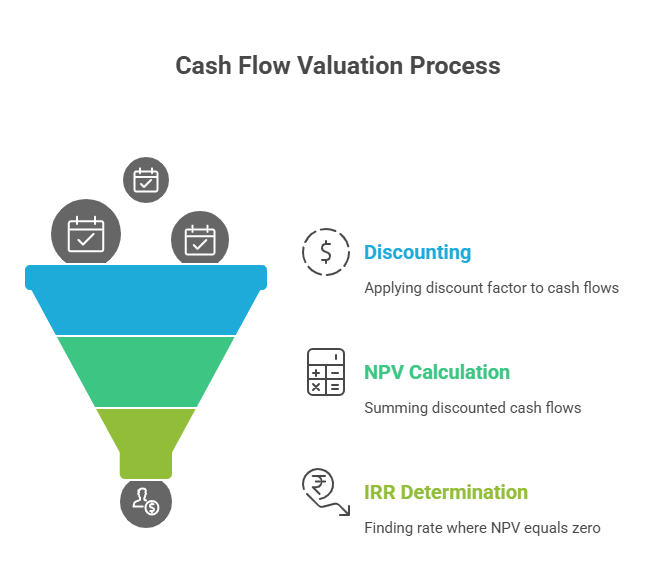
Property Manager: Tips Landlords Should Know When Hiring
A comprehensive guide to finding, evaluating, and hiring a property manager — 9 traits to look for, interview questions to ask, and red flags to watch for.
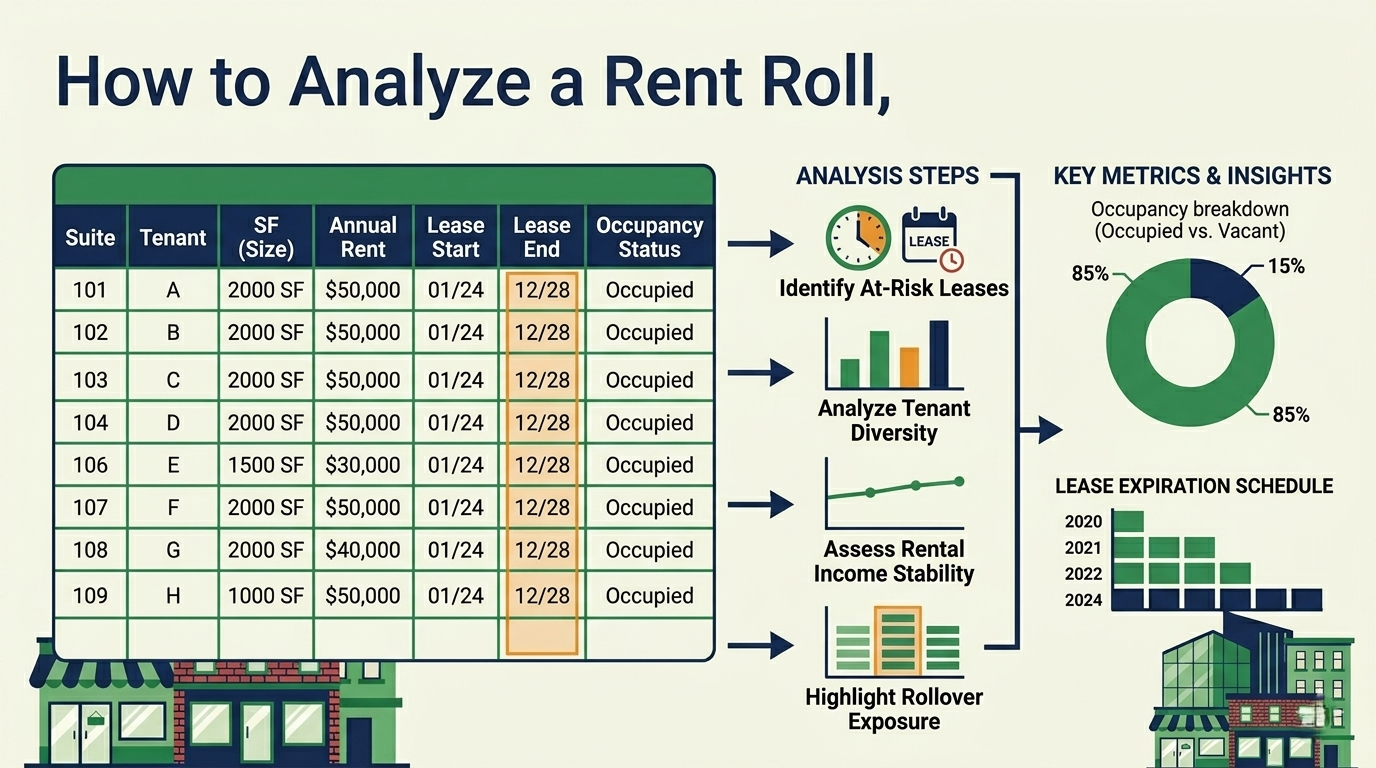
How to Analyze a Rent Roll: The CRE Underwriter's Complete Guide
Learn how to read and analyze a commercial real estate rent roll — what to look for, red flags to catch, key metrics to calculate, and how rent roll analysis feeds your proforma.