Top 10 Commercial Real Estate Portfolio Management Software (2025)
Managing a commercial real estate portfolio in 2025 means juggling leasing, finance, compliance, and investor comms across dozens — sometimes hundreds — of assets. The right portfolio management software transforms that complexity into clarity.
This analysis stacks the top 10 platforms against each other: features, pricing, ideal audience, and honest pros and cons. Whether you’re an individual investor or a REIT managing billions, there’s a fit here.
Nordic Real Estate Services — Solsten
Best For: All real estate investors seeking powerful financial modeling without cost barriers Pricing: Free tier available + paid plans from $99/mo
Solsten offers a free tier plus paid plans — cloud-based financial modeling for investors. It delivers institutional-grade DCF, valuation, waterfall modeling, and professional reporting at a fraction of the cost of legacy enterprise tools.
Pros:
- Free tier with a full property analysis — no credit card required
- Institutional features that rival paid tools like ARGUS
- All property types supported (residential and commercial)
- Friendly onboarding designed for investors without heavy training
- Veteran-owned with frequent improvements
Cons:
- Newer market presence vs. entrenched competitors
- Basic familiarity with financial concepts recommended
- Lean support compared with large enterprise vendors
MRI Software
Best For: Large commercial real estate firms seeking unified operations Pricing: Enterprise (custom)
Unified leasing, finance, and operations suite with 50+ years in CRE. Built to lift NOI across complex portfolios with AI-powered analytics and managed services.
Pros:
- Flexible — fits existing workflows with open integrations
- Mixed-use strength for complex, multi-asset portfolios
- Proven — 8,800+ commercial clients, 4M+ leases managed
- Managed services beyond just the software
Cons:
- Complexity — setup and learning curve can be steep
- Custom pricing may be high for small firms
- Longer rollouts for large portfolio implementations
AppFolio
Best For: Small to mid-size property managers wanting user-friendly automation Pricing: Tiered subscription
Clean, intuitive property management platform with strong automation. Supports commercial and residential portfolios.
Pros:
- User-friendly UI, quick to learn
- Strong cloud and mobile experience
- Workflow automation reduces manual tasks
- Good for mixed residential + commercial portfolios
Cons:
- Less customizable than enterprise suites
- Can be expensive for small operations
- Large CRE-only firms may need more depth
ARGUS Enterprise
Best For: CRE analysts, appraisers, and institutional investors Pricing: Enterprise ($3,000–$10,000+ per seat/year)
The industry standard for CRE valuation, cash-flow forecasting, and asset analytics. A due-diligence staple for institutional deals.
Pros:
- Market leader trusted by major CRE firms
- Deep valuation and analysis modeling power
- Excellent scenario testing and risk tools
- Extensive reporting and export capabilities
Cons:
- Very expensive for small firms
- Steep learning curve requiring formal training
- Valuation-centric — not designed for operations
RealPage Commercial
Best For: Commercial property management specialists Pricing: Per-square-foot model (custom)
Cloud-based property management for commercial and industrial assets with comprehensive lease administration and financial management.
Pros:
- Integrated leasing, accounting, and tenant tools
- Good document and compliance features
- Handles complex calculations (CAM, CPI, percentage rent)
Cons:
- Pricing requires consultation; hidden fees reported
- Users note occasional slowness and system freezes
- Support quality concerns; reports can be confusing
Buildium
Best For: Small to medium property managers (10–500 units) Pricing: Starting at ~$58/month
Cloud property management spanning residential and commercial with strong accounting and day-to-day operational tools.
Pros:
- Affordable plans accessible to small firms
- Mixed residential + commercial friendly
- Solid financial reporting and dashboards
Cons:
- Less robust for very large portfolios
- Fewer advanced CRE-specific tools
- Some features and support tiers require higher plans
Stessa
Best For: Individual real estate investors and small portfolios Pricing: Free core; Pro ~$28/month
Investor-centric finance tool for tracking, dashboards, and tax preparation. Less focus on operational property management.
Pros:
- Free tier with core features at no cost
- Bank sync and automated expense capture
- Schedule E export for tax preparation
Cons:
- Limited property-management operational tooling
- Better suited for individuals than firms
- Single-entry accounting limitations
Stratafolio
Best For: Commercial property owners already using QuickBooks Pricing: Subscription (requires QuickBooks)
Commercial-first lease management with deep two-way QuickBooks integration and portfolio visibility.
Pros:
- Best-in-class two-way QuickBooks sync
- Purpose-built for CRE lease workflows
- Automation reduces manual errors
Cons:
- Requires active QuickBooks subscription
- May lack some enterprise-level features
- Newer player with limited pricing transparency
MonkSpaces.ai
Best For: Residential property managers seeking AI-powered tenant engagement Pricing: Per-unit pricing
AI-powered platform geared toward residential operations with automation, multi-channel communications, and tenant experience features.
Pros:
- AI features reduce manual work
- Multi-channel communications and custom apps
- Strong amenity management tools
Cons:
- Primarily residential, not CRE-focused
- Limited track record and integrations
- Public pricing information limited
InsightSoftware — Real Estate Manager
Best For: Enterprise firms with compliance needs (ASC 842/IFRS 16) Pricing: Custom enterprise pricing
Enterprise-focused platform for large portfolios with strong compliance support, advanced reporting, and 140+ ERP/EPM integrations.
Pros:
- ASC 842 and IFRS 16 compliance support
- 140+ ERP/EPM integrations with real-time data feeds
- Built for enterprise-scale growth
Cons:
- Custom pricing can be high
- Implementation and training effort required
- Overkill for basic property management needs
Quick Pick Guide
| Need | Best Match |
|---|---|
| Institutional detail & valuation | ARGUS Enterprise |
| Market comps and trends | CoStar + Reonomy |
| Small/mid team, quick underwriting | PropertyMetrics or Valuate |
| Collaborative pipeline + modeling | CREModels (CRE Suite) |
| Free-tier start, powerful financial modeling, paid plans from $99/mo | Solsten |
| QuickBooks integration | Stratafolio |
| Individual investor tracking | Stessa |
| Affordable mixed portfolio PM | Buildium or AppFolio |
FAQs
What’s the difference between investment management and asset management software? Asset management software oversees the entire portfolio including physical and financial assets. Investment management software focuses on optimizing investment selections and returns within that portfolio.
Which platform is best for corporate occupiers, not landlords? InsightSoftware and MRI Software both have strong lease accounting and compliance modules designed for corporate occupiers managing their real estate footprint.
We already use ARGUS Enterprise. What’s the next step for portfolio-level insight? Consider pairing ARGUS with a portfolio management layer like MRI or CREModels. ARGUS excels at asset-level valuation, but portfolio-level dashboards, pipeline tracking, and investor reporting typically require a complementary platform.
Related Articles
- Waterfall Distributions Explained — How equity waterfalls work for LP/GP fund structures
- ARGUS vs Solsten: Feature-by-Feature Comparison — Honest look at where each platform excels
- Solsten vs Excel: Why Spreadsheets Break CRE Underwriting — Purpose-built proformas vs. brittle formulas
- Best Free Commercial Property Valuation Tools (2025) — Free alternatives to paid platforms
- Best Valuation Tools, Cap Rate Calculators & Strategy Guide — Cap rate tools and investment strategy
Explore Solsten
- All Features — Proformas, ML forecasting, waterfalls, and collaboration tools
- Excel to Proforma — Import spreadsheets into a live model in minutes
- Plans & Pricing — Start for free, scale as your portfolio grows
Try Solsten Free
See everything we discussed in action — no credit card required.
Start Your Free AnalysisRelated Articles
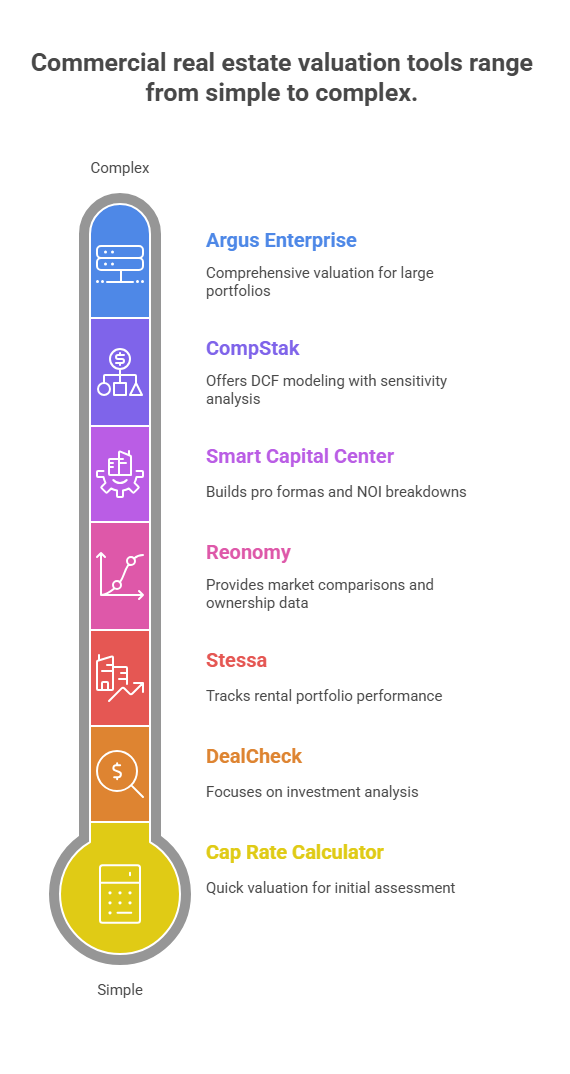
The Best Free Commercial Property Valuation Tools (Tried & Tested for 2026)
Hands-on review of the best free commercial property valuation software for 2026 — from AI-powered valuations to institutional-grade DCF modeling platforms.

Best Commercial Property Valuation Tools, Cap Rate Calculators & Value-Add vs. Core-Plus Strategy (2026)
A deep dive into the best commercial property valuation tools and cap rate calculators for 2026, plus how to choose between value-add and core-plus investment strategies.
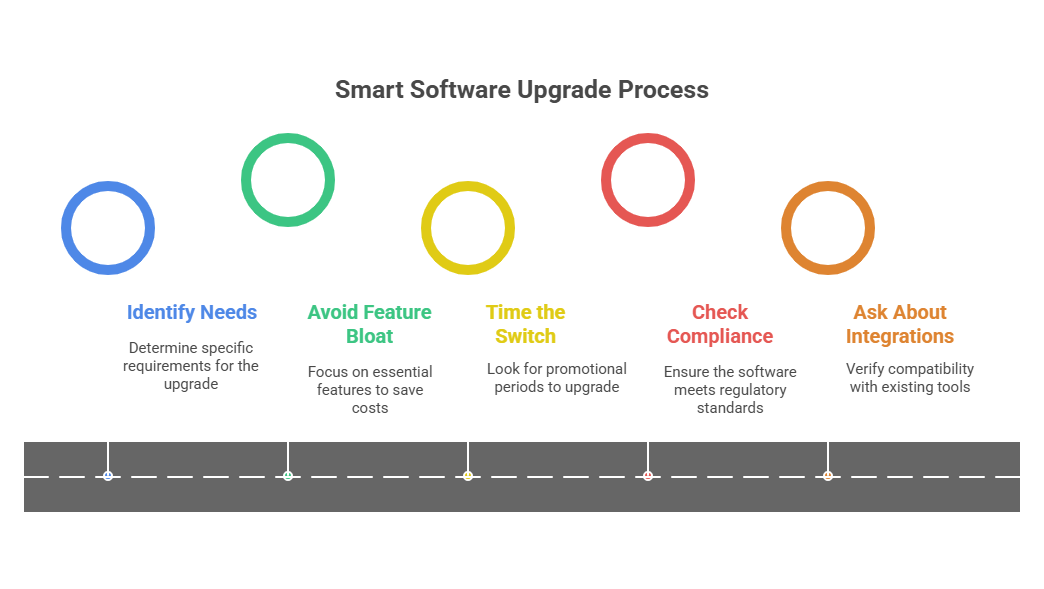
ARGUS vs Solsten: A Feature-by-Feature Comparison for CRE Professionals
Detailed feature-by-feature comparison of ARGUS Enterprise and Solsten for CRE analysis. See where each platform excels, pricing differences, and which is right for your workflow.