Warriors, Builders, Navigators
Every name in this company carries a story. Here's why we're called Nordic Real Estate Services — and why our software is called Solsten.
Chapter I
The Warrior
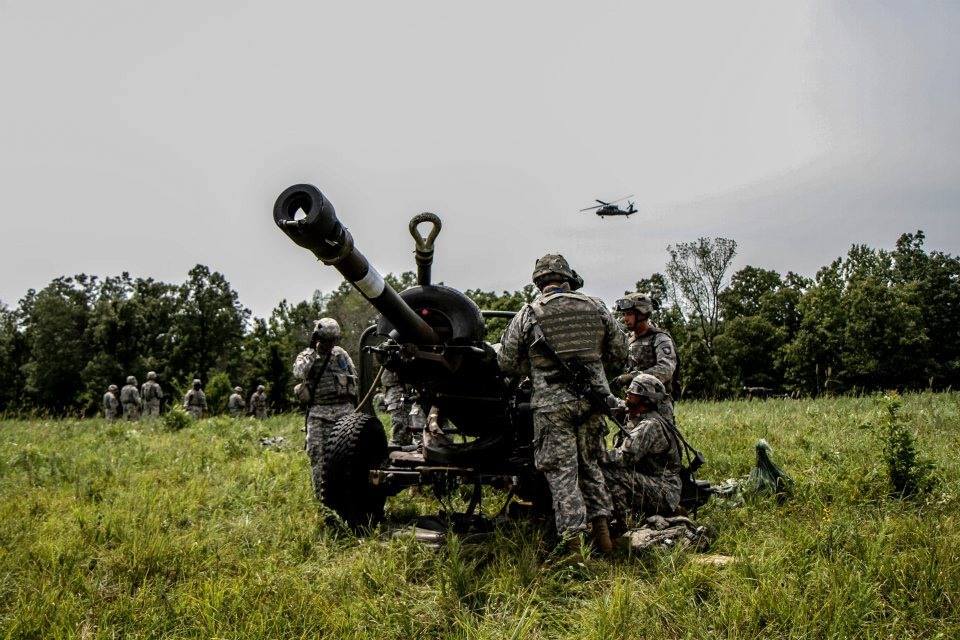
This story starts the way a lot of stories do — with a young man looking for something that would test him. Eric Davis enlisted in the United States Army and chose Artillery in the 101st Airborne Division. Not support. Not logistics. The sharp end.
Three years, three Army Achievement Medals, and a selection to Honor Guard later, the Army had taught him something that would shape everything that came after: that precision matters, that details save lives, and that you don't cut corners when the stakes are real.

Chapter II
The Apprenticeship
After earning a degree in Business and Real Estate from Colorado State University, Eric went to work as an acquisitions analyst for a commercial real estate firm led by a man with over 40 years in the business.
For nearly two years, Eric sat across from a mentor who had been doing real estate deals since the early 1970s — office, warehouse, retail, anything that made financial sense. The education wasn't theoretical. It was deal-by-deal pattern recognition: how to read a rent roll, when cap rates lie, what makes a recovery structure actually work.
The tools of the trade were ARGUS and Excel. ARGUS was powerful but cost a small fortune. Excel was flexible but fragile — one broken formula could silently corrupt an entire analysis. And there was nothing in between.
That gap stuck with him.
Chapter III
The Builder
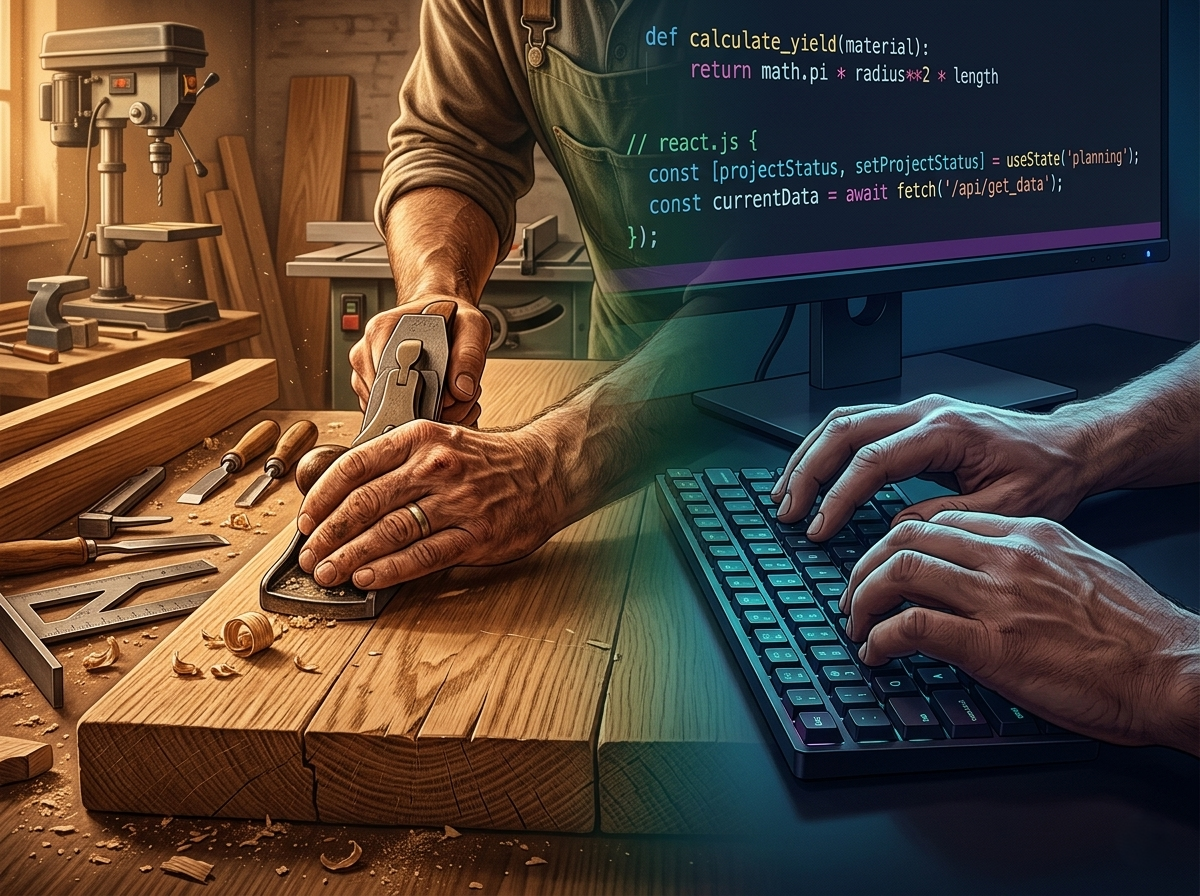
Eric taught himself to code. No bootcamp. No computer science degree. Just the same approach he'd taken in the Army — pick a hard problem and work at it until it's solved.
He built the entire platform from scratch: a Django REST backend, a React frontend, PostgreSQL database, Docker deployment, machine learning forecasting, and a proforma engine with over 1,400 backend tests. Every line of code written by one person who understood the domain before he ever wrote the software.
This is where the building instinct runs deep. Eric comes from a family of builders — woodworking, home renovations, mechanical work. The Vikings called this kind of person a smiðr — a master craftsman. People who could look at raw materials and see what they could become.
That's exactly what happened here: raw real estate experience became finished software.
Chapter IV
Why "Nordic"
Eric is primarily of Swedish heritage — his family came to America during the Revolutionary War, and some fought in the Revolution itself. The name "Nordic" isn't borrowed culture. It's a bloodline.
But there's a deeper reason. The Vikings weren't just raiders. They were among the most advanced civilizations of their age — and that advancement showed up in two places that mirror Eric's own identity.
The Warriors
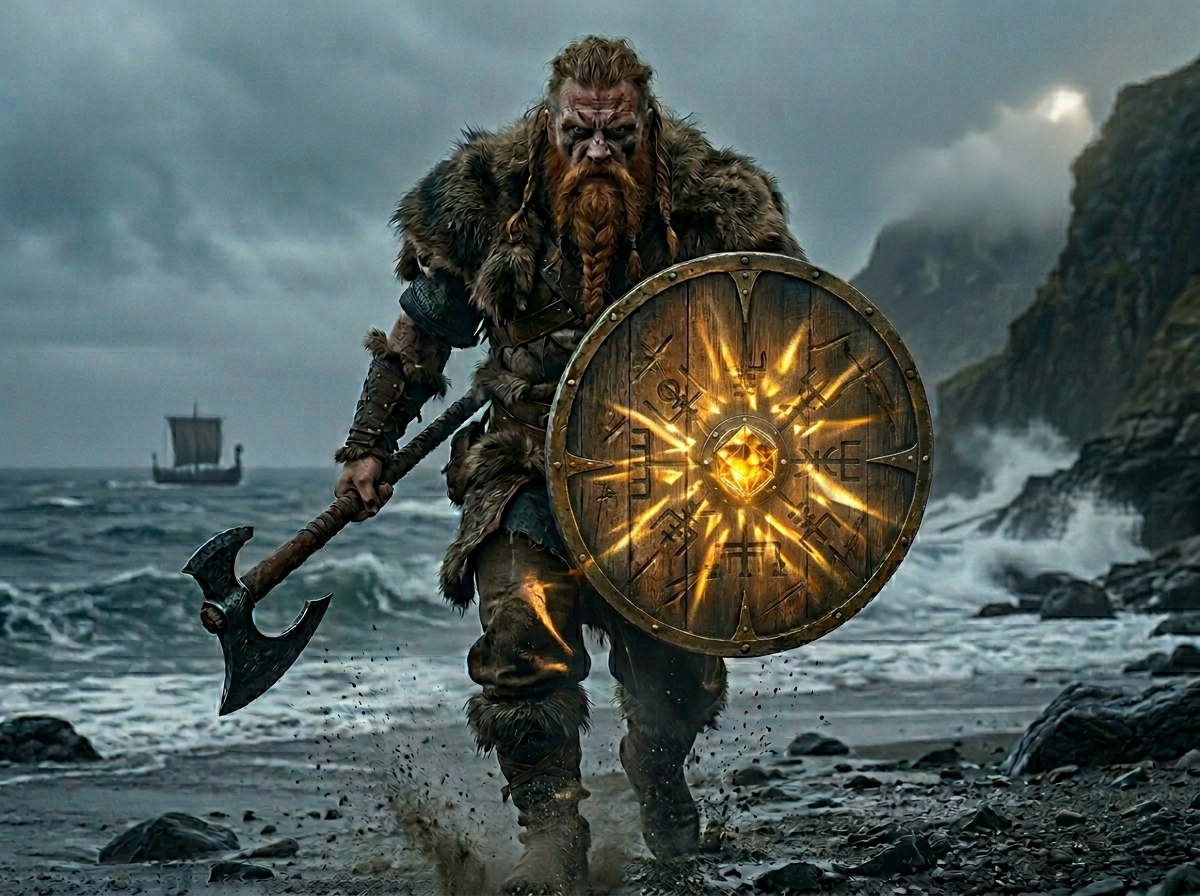
The berserkers. The shieldwall. Vikings were savage, disciplined fighters who earned their reputation through centuries of combat. Eric chose Artillery in the 101st Airborne for the same reason — not to avoid the fight, but to be in it.
The Master Craftsmen
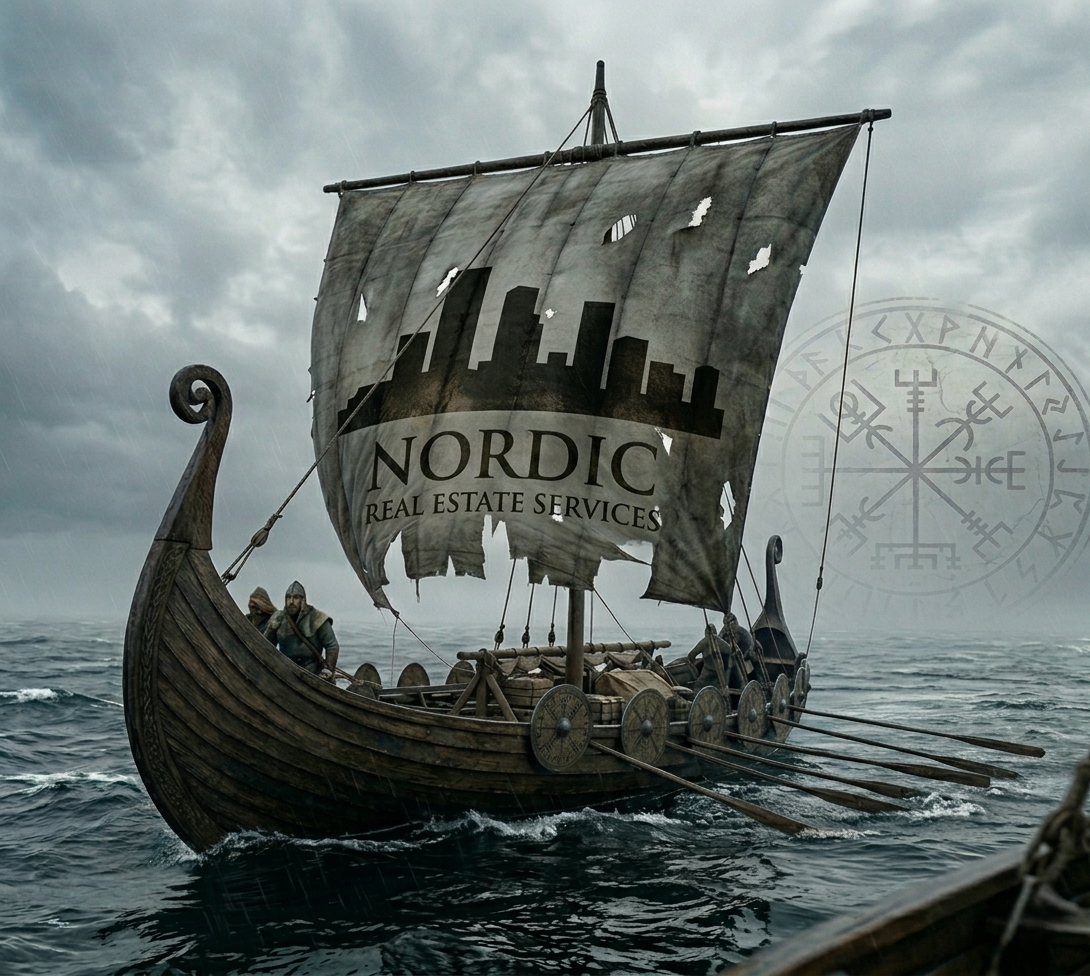
Viking longships were engineering marvels — flexible enough to survive open-ocean storms, shallow enough to navigate rivers, and built with a precision that still astounds naval engineers today. These ships crossed the Atlantic a full 500 years before Columbus. The Vikings didn't just build boats. They built technology that conquered oceans.
That duality — warrior and master craftsman — is what "Nordic" means for this company. It's the disciplined aggression of military service fused with the meticulous engineering of someone who builds things that are meant to last.
Chapter V
Why "Solsten"
The Vikings didn't just build extraordinary ships. They navigated them across thousands of miles of open ocean — centuries before the magnetic compass existed in Europe.
How? They used technology that was so far ahead of their time that historians are still studying it. Star patterns. Ocean current reading. Polarized light observation. And one tool in particular that has become legend: the sólarsteinn — the sunstone.
The sunstone was a crystal — likely Icelandic spar (calcite) — that could locate the sun's position even through heavy clouds, fog, and the long twilight of Arctic voyages. By rotating the crystal and observing how it polarized light, Norse navigators could determine the sun's bearing when it was completely hidden from sight.
Think about that for a moment. While other civilizations hugged coastlines and prayed for clear skies, the Vikings were crossing the North Atlantic in open boats using a crystal that could see through clouds.

The Solsten Connection
Commercial real estate analysis is complex. Market assumptions, inflation curves, tenant lifecycles, recovery structures, debt service, waterfall distributions — the fog is thick and the stakes are real. Most people either pay $10K/year for ARGUS or navigate blind with spreadsheets.
Solsten is the sunstone. It cuts through the complexity and shows you where you actually stand — clearly, accurately, and at a cost that doesn't require institutional backing.
Chapter VI
The Ship
Our logo tells the whole story in a single image: a Viking longship with buildings rising from its hull. Navigation meets real estate. Ancient craftsmanship meets modern engineering.
The Vegvísir — the Norse wayfinder symbol — sits at the center. In Icelandic tradition, carrying the Vegvísir meant you would never lose your way, even in storms or unknown territory. It's a fitting symbol for software designed to guide investors through the most complex financial decisions of their careers.
And wrapping it all together is the form of a compass — because every voyage needs direction, and every deal needs clarity.

The Company

The Product
Warriors. Builders. Navigators.
Navigate Your Next Deal
The sunstone is ready. See what professional-grade CRE analysis looks like — without the institutional price tag.